


Where Should You Mount Your TV? Height, Fireplaces and Wall Types Explained
A new TV is one of the most common holiday purchases, and mounting it frees up floor space, keeps it out of reach of kids and pets, and looks far tidier than a stand. The questions are always the same: how high, which wall, and will it hold? Here's how to decide.
How high should a TV be?
For comfortable viewing, the centre of the screen should sit around eye level when you're seated. For a typical couch that's about 42 inches (107 cm) from the floor to the middle of the screen. Bedrooms can go a little higher if you watch from bed. If the TV has to go higher than eye level, a tilting mount angled down makes a big difference to glare and neck comfort.
Over the fireplace?
It's a popular spot, but think about two things first:
- Height: a TV above a mantel usually ends up well above eye level. A pull-down mount that lowers the screen when you're watching solves this.
- Heat: check your TV manual for its operating temperature. Run the fireplace for a while and feel the wall where the TV would go. If it's too hot to keep your hand on, it's too hot for the TV. A mantel below the TV helps deflect heat.
Fireplace walls are often brick, stone or framed around a chimney, which changes the hardware needed, so it's worth checking what's behind the surface before you buy a mount.
What is your wall made of?
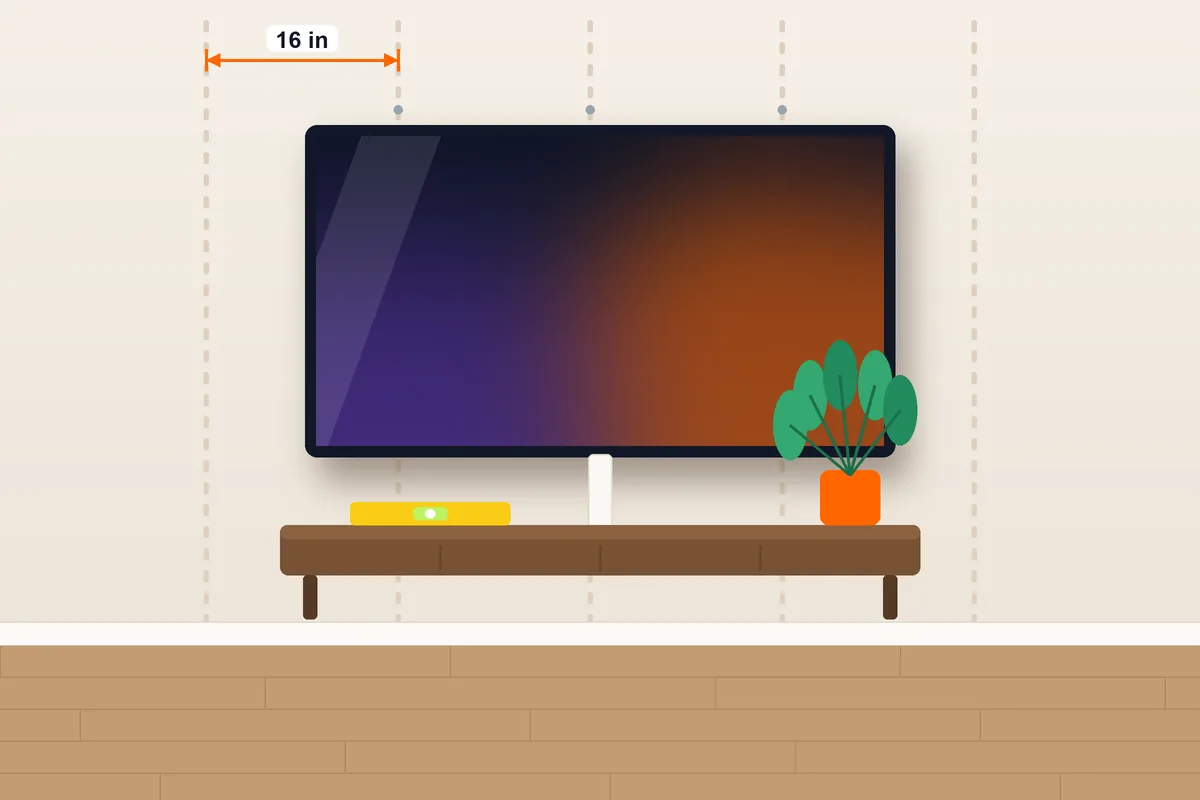
- Drywall over wood studs: the most common wall in London homes. Studs are usually 16 inches (about 40 cm) apart. The mount should be bolted into the centre of the studs, and most mounts need two. Drywall anchors on their own aren't meant to hold a TV.
- Plaster and lath: many older homes in neighbourhoods like Old North, Old South and Wortley Village have plaster walls. Studs are harder to find and plaster can crack when drilled, so go slowly and drill carefully.
- Brick, stone or concrete: use masonry anchors rated for the weight, drilled into solid brick or block rather than crumbly mortar joints.
- Metal studs: found in some condos and basements. They need hardware made for metal studs, or a backing board fixed across several studs.
Choosing the mount
- Fixed: sits closest to the wall. Best when the TV is at eye level.
- Tilting: angles the screen down. Good for higher spots, including over a fireplace.
- Full-motion: swings and extends, ideal for corners and open rooms, but it puts the most force on the wall, so solid stud or masonry anchoring matters most here.
Match the mount to your TV: check the hole pattern on the back of the TV (the VESA size, for example 400 x 400 mm) and make sure the mount is rated for more than the TV weighs.
Hiding the cables properly
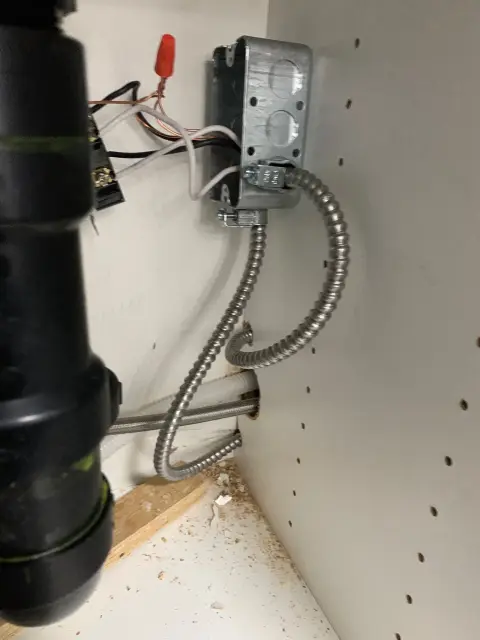
The TV's power cord is not rated to run inside a wall. Use a paintable cord cover on the wall, or an in-wall power kit made for TVs. HDMI and speaker cables can go inside the wall if they're rated for in-wall use (the cable jacket will say so). Adding a new outlet behind the TV is electrical work: in Ontario it needs an Electrical Safety Authority (ESA) permit and a licensed electrical contractor.
Before you drill
- Don't drill directly above or below outlets and switches, since the wires usually run straight up and down from them.
- Find the studs with a stud finder and confirm them with a small nail or a magnet.
- Use a level, and have a second person to lift the TV onto the mount.
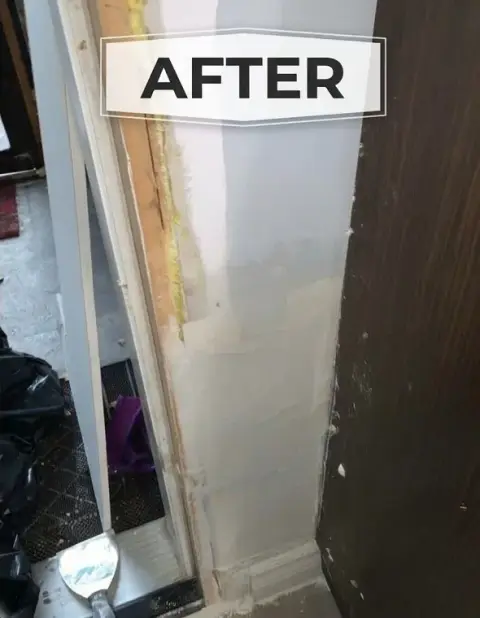
There's a step-by-step video on hanging a flat-screen TV on our Tips & Guides page. Moving a TV later? The old bracket holes can be patched and painted so they disappear; see our painting and drywall services.
Want it done right the first time?
ApexPlus mounts TVs across London on drywall, plaster and brick, including over fireplaces, with the cables tidied away. Read why many people leave TV mounting to a pro, see our general home repair services, or book a visit.
Recent Posts
Related Articles
Continue reading more insights related to TV Mounting.