


Bought a New Appliance? What to Check Before Installation Day
Black Friday and holiday sales mean a lot of new washers, dryers, dishwashers and ranges arriving in London homes. Most installs are quick, but a few things cause the same hold-ups again and again: an appliance that won't fit through the door, the wrong outlet, a missing part or a worn-out valve. Run through this list before delivery day and the install usually takes one visit.
Measure twice
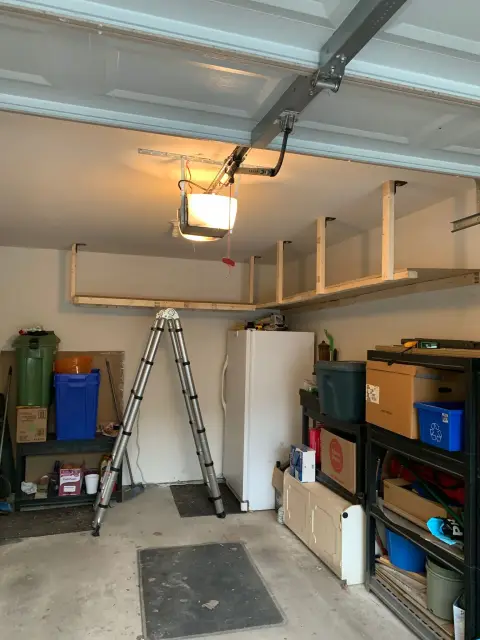
- The space: width, height and depth, plus room for hoses, the power cord and the door swing. Most installation guides ask for some breathing room around the appliance; check yours for the exact clearances.
- The way in: doorways, hallway corners and stairs. Basement laundry rooms in many London homes have tight turns, so measure the narrowest point and be ready to take a door off its hinges.
Washers
- Remove the shipping bolts. Front-load washers arrive with transit bolts in the back that hold the drum still. They must come out before the first wash, or the machine will shake violently and can be damaged.
- Use new hoses. Replace old rubber fill hoses with braided stainless steel ones. Burst washer hoses are one of the most common causes of basement floods.
- Check the shut-off valves. Old valves can seize or drip once they are turned. Replacing a bad valve before the install is easier than after.
- Level it. A washer that isn't level walks across the floor on the spin cycle.
Dryers
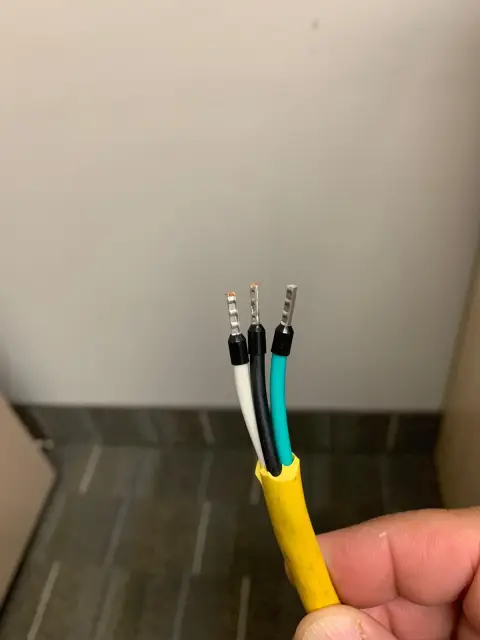
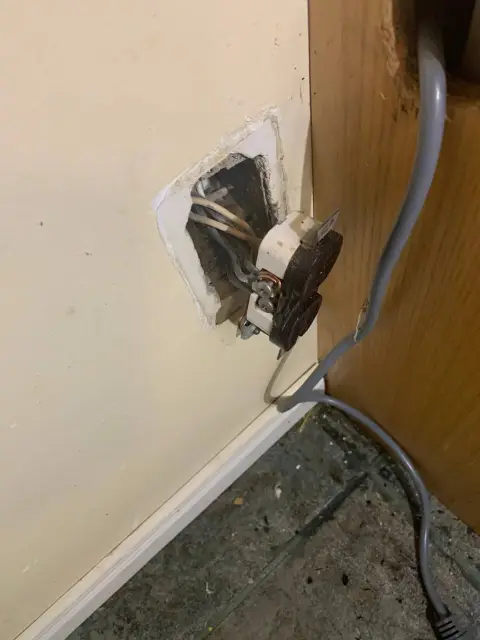
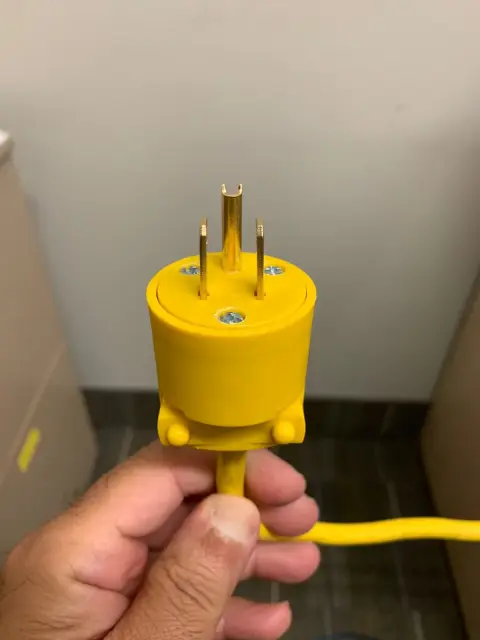
- Power: electric dryers run on a 240-volt outlet. Check that the dryer's cord matches your outlet before delivery day. Older homes sometimes have a different style of outlet than a new dryer expects.
- Venting: replace white vinyl or thin foil accordion duct with rigid or semi-rigid metal duct, and keep the run as short and straight as you can. Lint build-up is a leading cause of dryer fires. There's a video on cleaning a dryer vent on our Tips & Guides page.
- Gas dryers: in Ontario, the gas connection must be made by a TSSA-certified gas technician.
Dishwashers
- Water and drain: a hot water supply with its own shut-off under the sink, and a drain connection to the sink or garbage disposal with a high loop so dirty water can't flow back.
- Connecting to a disposal for the first time? Knock out the plug inside the disposal's dishwasher inlet first, or the dishwasher won't drain.
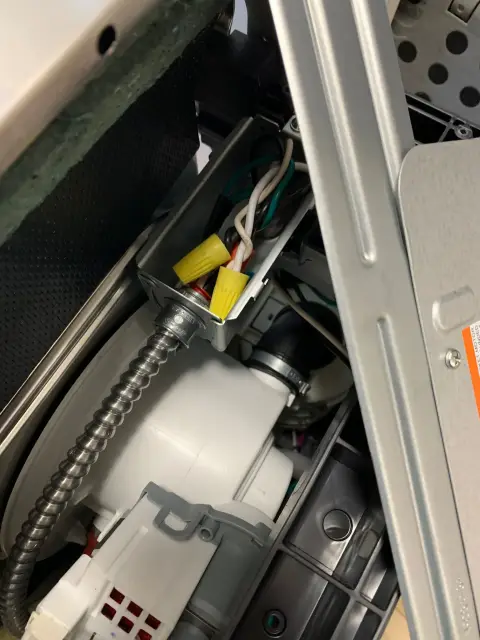
- Power: some dishwashers plug into an outlet under the sink and others are wired into a junction box. Check which yours needs.
Our dishwasher installation guide goes through it step by step.
Fridges, ranges and microwaves
- Fridges with ice and water: you'll need a water line with a shut-off behind the fridge. If the fridge was laid on its side in transport, let it stand upright for as long as the manual says before plugging it in, and throw out the first few batches of ice.
- Ranges: every freestanding range comes with an anti-tip bracket, and it must be installed. Without it, a child standing on the open oven door can tip the whole range over. Gas ranges are connected by a TSSA-certified gas technician.
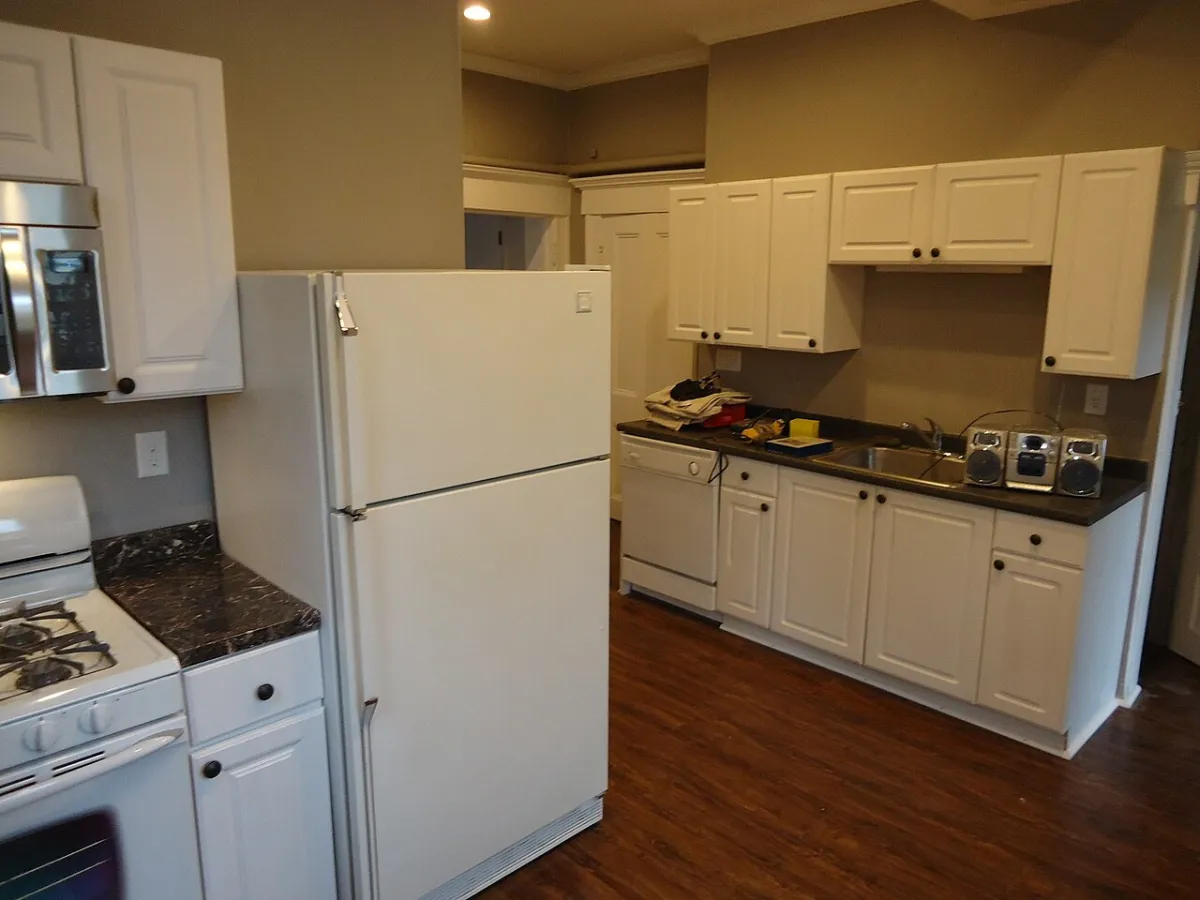
- Over-the-range microwaves: they mount to the wall studs and the cabinet above, need an outlet inside that cabinet, and either vent outside or recirculate.
On delivery day
- Clear a path from the door to the room, and move anything fragile.
- Keep the manual and every bag of parts that came in the box: brackets, hoses and fittings are easy to lose in the packaging.
- Ask the store whether they take the old appliance away. Many do when they deliver.
Let us install it
ApexPlus installs washers, electric dryers, dishwashers, over-the-range microwaves and range hoods across London, and repairs them too. Gas connections and new circuits are handled by licensed trades. See our appliance installation and repair service, recent jobs on our Projects page, or book a visit.
Recent Posts
Related Articles
Continue reading more insights related to Appliances.