
Attic Insulation 101: Stop Paying to Heat the Sky
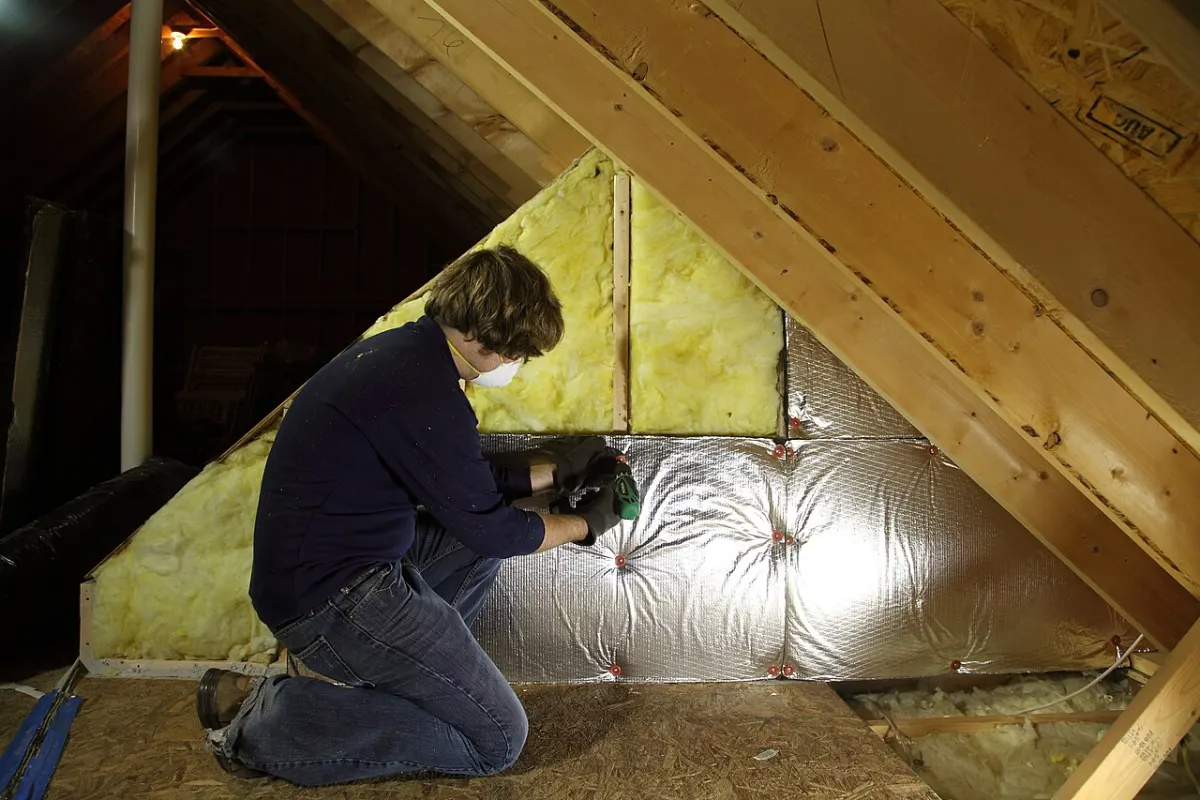
Heat rises, and in a lot of homes it rises straight through the ceiling and out the roof. If your upstairs is cold, your heating bill jumps every winter or your roof grows icicles the size of baseball bats, the attic is the first place to look.
How much insulation should you have?
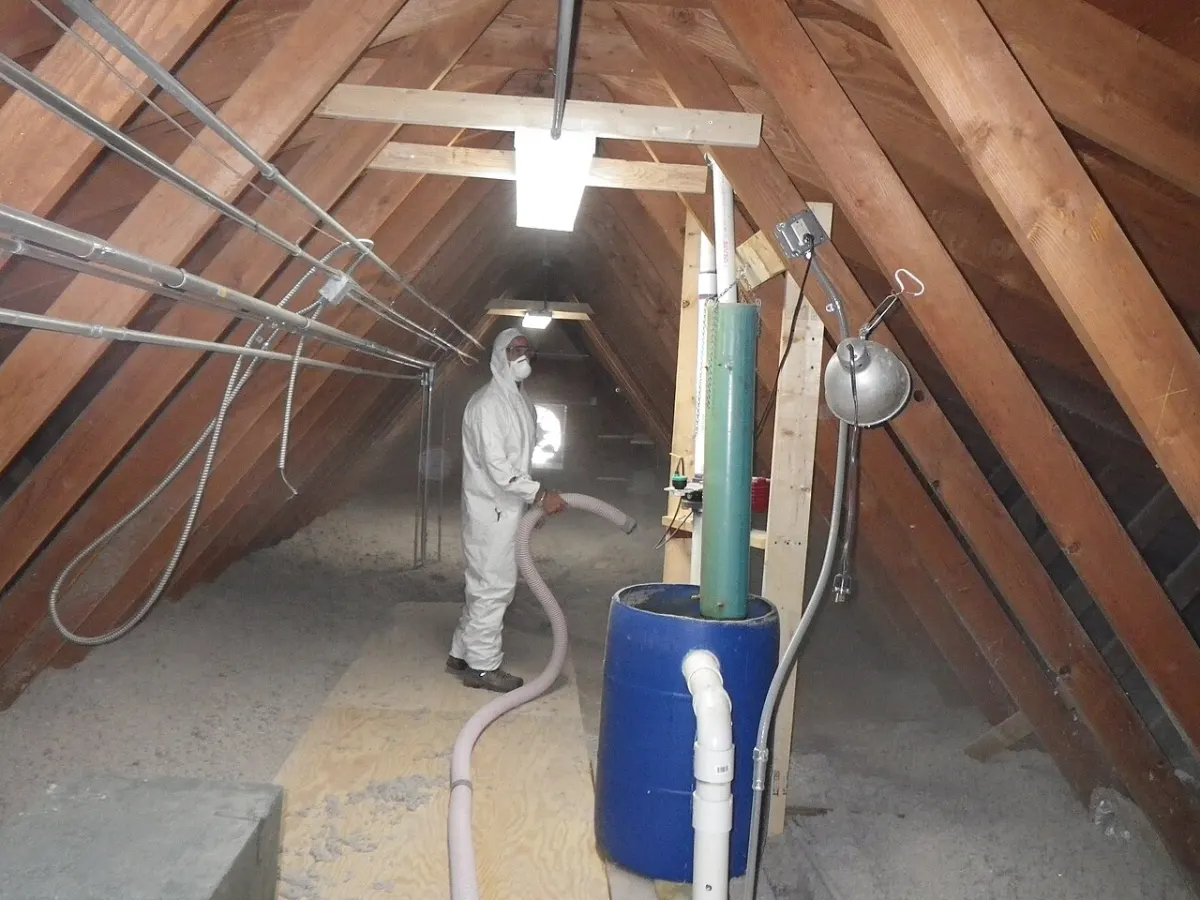
New homes built under the current Ontario Building Code are expected to have roughly R-60 in the attic, which is about 40–50 cm (16–20 in) of loose-fill. Many homes built before the 1990s have a fraction of that, sometimes just a few inches that have settled flat over the years. A quick check: if you can see the tops of the ceiling joists, you almost certainly don't have enough.
Seal first, then insulate
Insulation slows heat down, but it doesn't stop air. Warm, moist air leaking up through pot lights, the attic hatch, plumbing stacks and wall top-plates carries heat with it, and causes frost and mould on the underside of the roof. Sealing those leaks with foam and caulk before adding insulation is the step most people skip, and the one that makes the biggest difference.
Keep the attic breathing
- Soffit vents must stay clear. Baffles at the eaves stop insulation from blocking airflow.
- Bathroom fans must vent outside, not into the attic. We find this more often than you'd think.
- A cold attic is a good attic. In winter it should be close to the outside temperature. Snow melting off your roof faster than your neighbour's is a sign heat is escaping.
Safety notes
- If you see grey-brown, pebble-like insulation, it may be vermiculite, which can contain asbestos. Health Canada advises not disturbing it. Leave it alone and have it tested.
- Step only on the joists. A foot through the ceiling turns a weekend job into a drywall repair.
- Wear a proper mask, goggles and long sleeves. Fibreglass is itchy and the dust is no good for your lungs.
ApexPlus can check your attic, seal the air leaks and top up insulation to modern levels, usually in a day. Ask about it when you book your next visit.
Recent Posts
-
-
Oct 30, 2026 Attic Insulation 101: Stop Paying to Heat the Sky
-
-

Related Articles
Continue reading more insights related to Energy Efficiency.